Loading...


Bianca Stam
1 year ago
Very good communication and fast delivery
Good quality plants and trees
Very nice people

Michiel Bijl
1 year ago
Honest host, with beautiful plants. In short, top!

Sam Sankarey
1 year ago
Young entrepreneur with good quality plants!

Jeannette Huisman-Quist
2 years ago
Beautiful trees and hedges delivered, pleasant to work with, clearly stated prices upon request.

André Elings
2 years ago
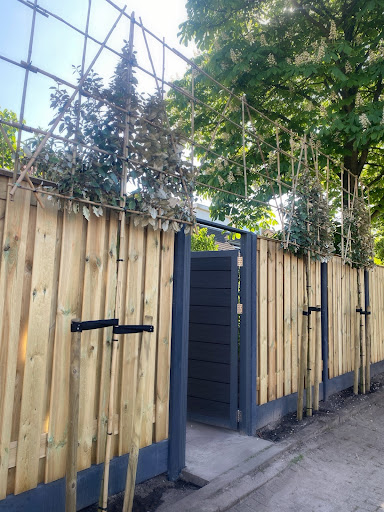
We ordered olive tree logs from Prosman. The delivery of the beautiful trees in a wooden crate was very friendly and neat, we are very happy with it!
Response from the owner
Thank you, for the trust André!👍2 years ago

Jort Buwalda
2 years ago
Through Marktplaats I came into contact with Prosman Planten. I was looking for a specific multi-stemmed tree. A Lagerstroemia, but I couldn’t find it anywhere or couldn’t find it for a huge price. At Prosman Planten I succeeded. I bought a beautiful multi-stemmed Lagerstroemia and also a beautiful Zevenzonenboom (Heptacodium miconoides). Delivered neatly to my home. The communication with Prosman Planten was smooth. I will be returning for other trees/bushes or hedges.

Dennis Suurmond
2 years ago
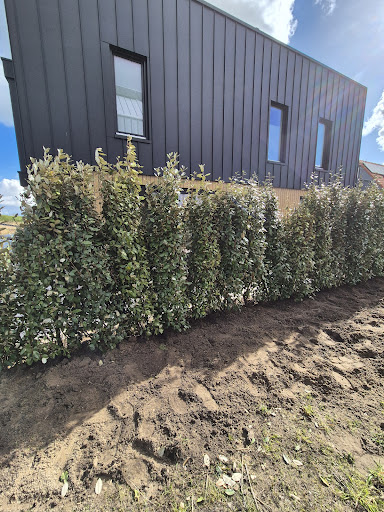
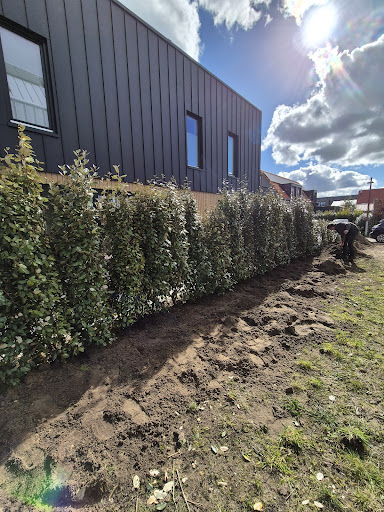
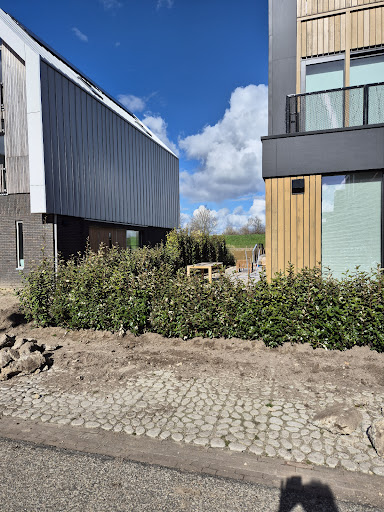
Ordered 130 olive bushes (hedge plants) in March 2025. Top quality and top service. 10 stars!

Anne-Marie van den Hee
2 years ago
Very satisfied with the help, advice and the plants and prices from Pieter.

Roy Roelofs
2 years ago
4 solitaire trees were delivered. Great quality and good service/advice.

Stijn de Groot
2 years ago
Top quality taxus purchased + super service, loading it in!!

Jean-pierre vds
2 years ago
I bought 300 laurel plants from Pieter; the plants were of very good quality and the service was also top-notch!
I am very satisfied and he has a regular customer now :-)

Sjaak Aanen
2 years ago
Quick delivery, great people, good quality, very satisfied

Rufus Heikens
2 years ago
Beautiful rhododendrons received. Quickly and expertly helped.
Delivered the same week and planted together.
Friendly people.

Nina-Malou Oudshoorn
2 years ago
Looking for 2 Persian sleeping trees. Good accessibility and great information about the options. Fast delivery to the desired address. Also received advice on planting at the time of delivery. Pleasant company and friendly people!

Mischa van der wijst
2 years ago
Looking for 2 beautiful Japanese maples, I came across prosman. I was looking for 2 beautifully growing trees that I could place nicely on the corners of the pond. They thought of everything and he chose 2 stunning trees that will beautifully grow over the pond

Brigitte van Jole
3 years ago
Very satisfied with the friendly contact and delivery, and everything:)
I ordered 80 laurel trees of 150cm-175cm and they arrived really satisfied.
If we need more trees again, we will order them from prosman again!!!!

Annemiek Wessels Boer-Bangma
3 years ago
Through Prosman I came into contact with several different shrubs and trees for our garden. So far, I have ordered several times. The follow-up, response, and service are all super fast; they are always available for questions. They are true experts. Not only do they have extensive knowledge of all the different shrubs/plants, but they also have a great love for their products. Hardworking people who strive for the best results for their customers. I can absolutely recommend Prosman’s plants!

Sander vk
4 years ago
In the spring of 2023 we researched reliable suppliers of plants and hedges for private purposes. On the internet we came across many different suppliers and also very different prices. In the end we came into contact with Prosman Planten.
The price was significantly lower than at other suppliers. I decided to order a first batch anyway, because of the excellent service. In my opinion, these were of very high quality. I have now purchased several batches of plants and shrubs from this company.
We are extremely satisfied with the contact, expertise, and adherence to agreements from Prosman Planten. We definitely recommend buying from them!